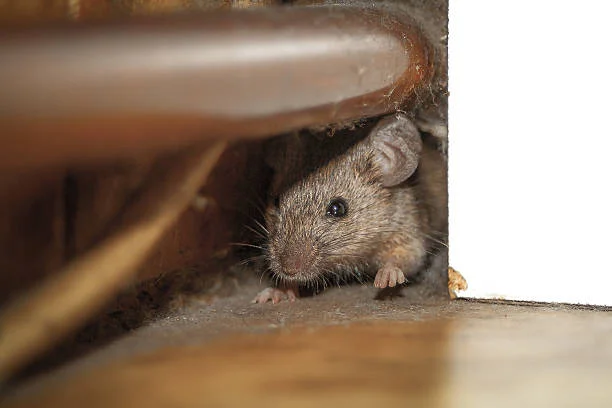
Finding a dead animal in your car is a terrible discovery. It could be a rodent that crawled into the engine, or an animal you unfortunately hit and that got lodged in the undercarriage. The smell can be overwhelming, and it can be extremely difficult to get rid of. While a dead animal in a car isn’t a problem that a professional dead animal removal service typically handles, the principles of odor removal are the same. It’s about finding the source, removing it, and then deep cleaning and deodorizing the affected area.
The Problem with Masking Dead Animal Smell and Odors.
Just like in your home, using air fresheners or scented products in your car to mask dead animal smell is a temporary and ineffective solution. These products will only cover up the smell for a short time, and the underlying source will continue to produce a foul odor. The smell can also get into the car’s upholstery, carpeting, and ventilation system, making it even harder to eliminate over time.
Step 1: Find and Remove the Carcass
The first and most important step is to find and remove the dead animal. This can be difficult, as the animal could be in a hard-to-reach area like the engine bay, the wheel wells, or the undercarriage. You will need to carefully inspect your car to find the source of the smell. If you’re having trouble, it might be a good idea to take your car to a mechanic who has the tools and expertise to find the animal and remove it safely.
Step 2: Clean and Sanitize the Affected Area
Once the animal is removed, the area must be thoroughly cleaned and sanitized. If the animal was in your engine bay or undercarriage, you can use a high-pressure hose to clean the area. If the animal was in the interior, you’ll need to use a commercial-grade cleaner to sanitize the area. A professional-grade enzyme cleaner is a good choice, as it will break down the organic matter that is causing the smell.
Step 3: Deodorize the Car’s Interior
After cleaning, you’ll need to deodorize the car’s interior. You can use an automotive-specific deodorizer, or you can use a home remedy like baking soda or activated charcoal. Spread baking soda on the affected area of your car’s upholstery and let it sit for a few hours before vacuuming it up. For a more powerful dead animal removal solution, you can try an ozone generator. These powerful machines neutralize odors at a molecular level, but they should only be used by professionals or with extreme care, as they can be harmful in high concentrations.
Step 4: Ventilate the Car
After cleaning and deodorizing, you’ll need to ventilate your car. Open all the doors and windows to let fresh air circulate. If your car has a cabin air filter, it’s a good idea to replace it, as it may have absorbed some of the foul odor. You can also run the car’s air conditioning system on high to help circulate fresh air.
Why You Need a Professional Dead Animal Removal in Chicago, IL.
While the principles of odor removal are the same, the removal of a dead animal from a car is a different kind of job. If you have a dead animal in your home, a professional dead animal removal Chicago service is the best option. They have the tools and expertise to handle the job safely and effectively. However, for a car, a mechanic is often the best choice for removal, and an automotive detailing service can help with the deep cleaning and deodorization.
Don’t let a dead animal smell ruin your car. If you have a dead animal problem in your home or property in Chicago or the surrounding areas including Glenwood, IL, call Preyon Pest Control for a safe and effective solution today